Kailash Parvat temple, Hastinapur

Hastinapur's attractions span spiritual, historical, and natural wonders. Use the categories below to explore what interests you most. Each site includes practical information to help you plan your visit.

Jambudweep Jain temple complex with cosmological model
Jain Pilgrimage

Jambudweep

An extraordinary Jain temple complex built in the 1970s, Jambudweep is famous for its large-scale cosmological model of the Jain universe. The model depicts Mount Meru at the centre, surrounded by continents and oceans as described in Jain scriptures. The intricate craftsmanship and attention to detail make it a unique attraction not found anywhere else in India.

The complex also includes a main temple hall with beautiful marble idols of Tirthankaras. The site is meticulously maintained and offers a serene atmosphere for meditation and worship.
πŸ• 1–1.5 hrs πŸ“ Hastinapur town centre πŸ†“ Free entry πŸ“Έ Photography allowed (outer areas)
Kailash Parvat temple, Hastinapur
Jain Pilgrimage

Kailash Parvat

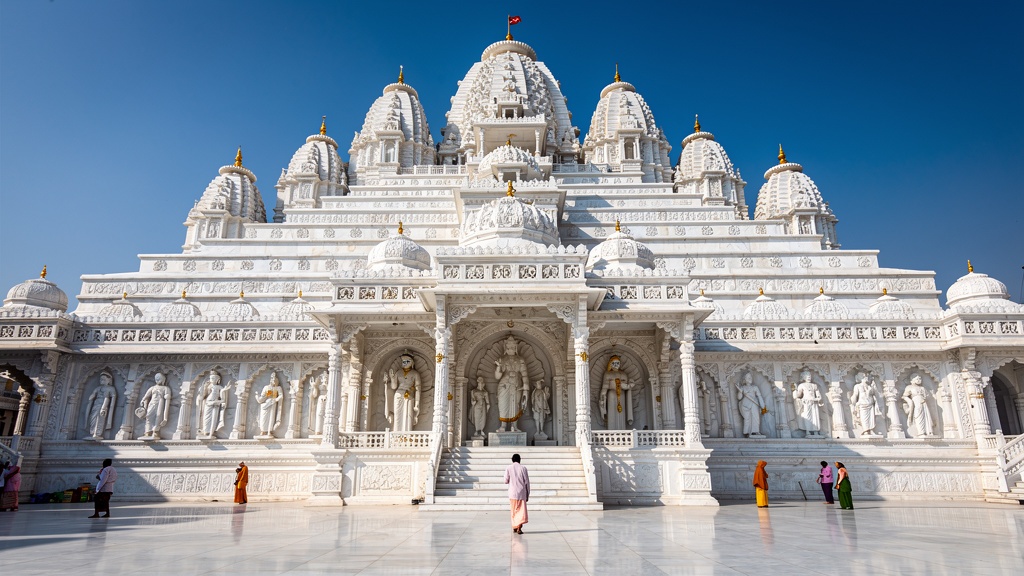
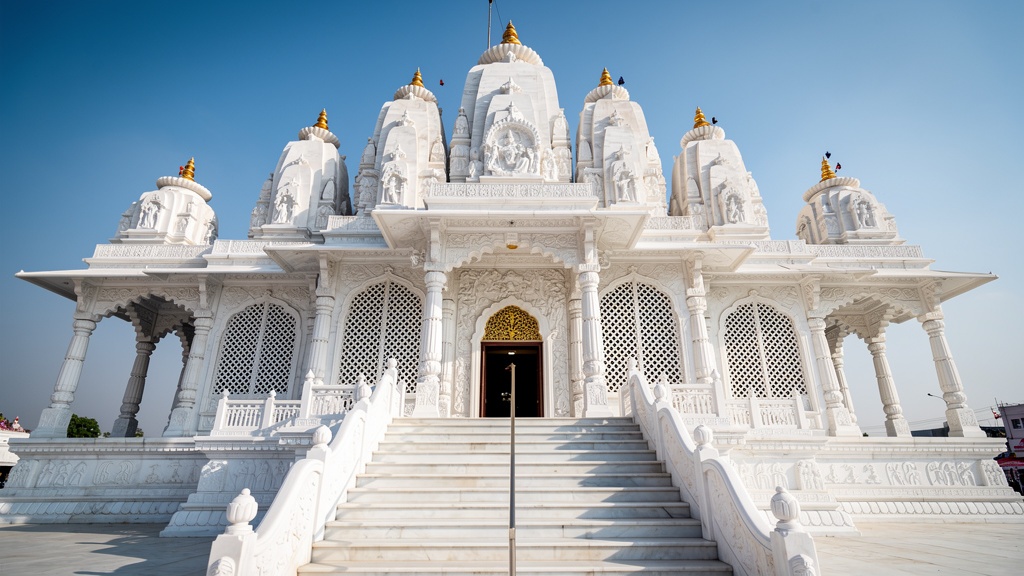
A magnificent architectural replica of Mount Kailash, the celestial abode of Lord Shiva, built entirely in white marble. This multi-tiered structure rises impressively and is adorned with intricate carvings of Jain deities, celestial beings, and decorative motifs. It is one of the most photographed landmarks in Hastinapur.

The temple complex surrounding Kailash Parvat includes smaller shrines and meditation halls. The structure's sheer scale and the whiteness of the marble against the blue sky create a breathtaking visual. Visit during morning or late afternoon for the best light.

πŸ• 45 mins–1 hr πŸ“ Adjacent to Jambudweep πŸ†“ Free entry πŸ“Έ Photography allowed
Ashtapad temple, Hastinapur
Jain Pilgrimage

Ashtapad Temple

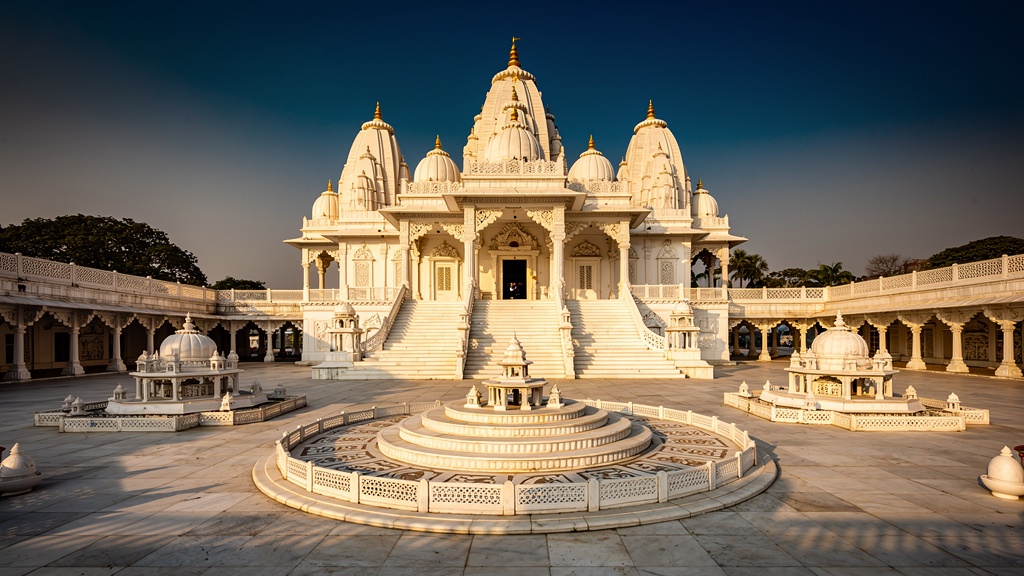
Ashtapad is a stunning Jain temple characterised by multiple shikharas (spires) that symbolise Mount Meru, the cosmic mountain of Jain cosmology. The name "Ashtapad" refers to the eight steps to enlightenment in Jain tradition. The temple's white marble architecture features exquisite carvings, including detailed depictions of Tirthankaras and celestial figures.

The temple is part of the larger Jain temple complex and is easily accessible on foot from Jambudweep and Kailash Parvat. Its peaceful courtyard invites visitors to sit and absorb the spiritual atmosphere.

πŸ• 30–45 mins πŸ“ Jain temple complex πŸ†“ Free entry πŸ“Έ Photography allowed (outer areas)
Digambar Jain Bada Mandir, Hastinapur
Jain Pilgrimage

Digambar Jain Bada Mandir

The main Digambar Jain temple in Hastinapur, the Bada Mandir is a large complex featuring beautiful marble idols, intricately carved pillars, and a peaceful prayer hall. It serves as the focal point for Jain worship in the town and is particularly vibrant during festivals like Mahavir Jayanti and Diwali (which marks Lord Mahavira's nirvana).

The temple compound also houses a dharamshala (pilgrim guesthouse) providing basic accommodation for pilgrims. The atmosphere is deeply devotional, with devotees chanting and performing rituals throughout the day.

πŸ• 30–45 mins πŸ“ Hastinapur town centre πŸ†“ Free entry πŸ“Έ Photography restricted inside
Pandeshwar Temple, Hastinapur
Mahabharata Heritage

Pandeshwar Temple

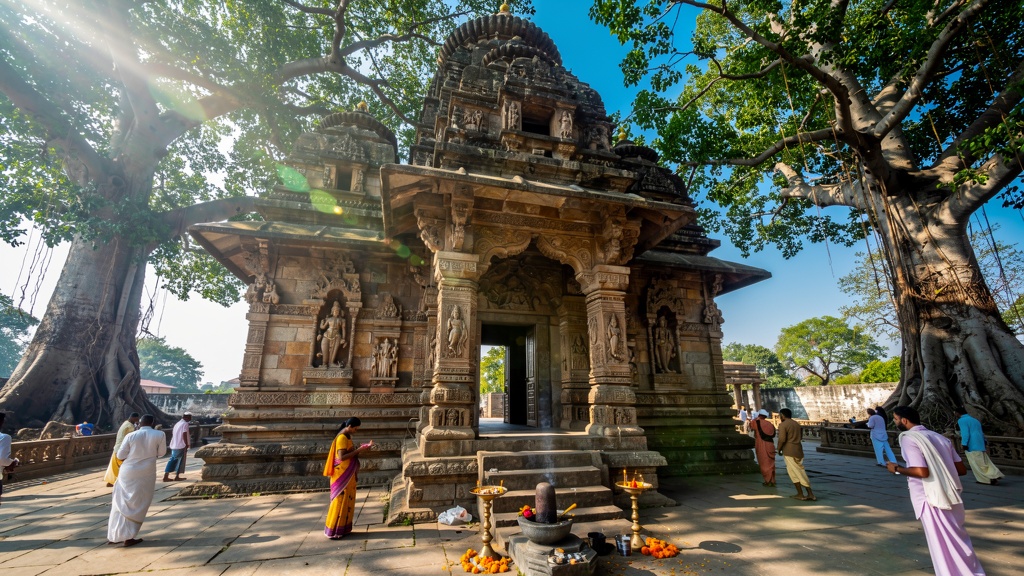
One of the most significant Mahabharata-linked sites in Hastinapur, Pandeshwar Temple is an ancient Shiva temple believed to have been built by the Pandava brothers. The temple's weathered stone architecture speaks to its great age. According to tradition, the Shiva lingam here was installed by Bhima, the second Pandava.

The temple is located in a relatively quiet area, surrounded by old trees and a sense of timelessness. The interior features a modest sanctum with the lingam, while the exterior walls display faded carvings. It is a must-visit for Mahabharata enthusiasts and anyone interested in ancient temple architecture.

πŸ• 30–45 mins πŸ“ Hastinapur outskirts πŸ†“ Free entry πŸ“Έ Photography allowed
Karna Temple, Hastinapur
Mahabharata Heritage

Karna Temple

Dedicated to Karna β€” the tragic hero of the Mahabharata known for his unmatched generosity, warrior prowess, and loyalty β€” this temple is a modest but deeply meaningful site for epic enthusiasts. Karna, the son of Surya (the Sun God) and Kunti, was raised by a charioteer and became one of the greatest warriors of his age.

The temple is relatively small and simple compared to the grand Jain structures, but its significance is profound. It offers a quiet space for reflection on the complex characters and moral dilemmas of the Mahabharata.

πŸ• 20–30 mins πŸ“ Near Pandeshwar Temple πŸ†“ Free entry
Vidur Tila archaeological mound, Hastinapur
Mahabharata Heritage

Vidur Tila

An archaeological mound traditionally identified with Vidura, the wise and virtuous prime minister of the Kuru kingdom. Vidura was revered for his wisdom, integrity, and devotion to dharma β€” he famously served as a counsel to both the Kauravas and Pandavas while always upholding what was right.

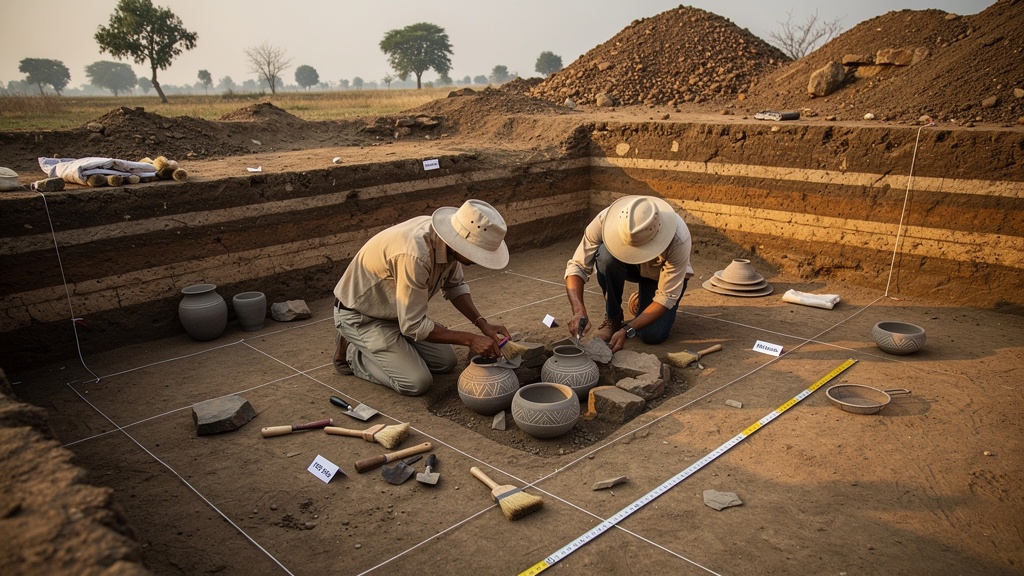
The mound is also of genuine archaeological interest, as excavations here have revealed ancient pottery and structural remains. It offers a tangible connection to the epic narrative and is a significant stop for history buffs and archaeology enthusiasts.

πŸ• 20–30 mins πŸ“ Near Draupadi Ghat πŸ†“ Free entry
Draupadi Ghat near Hastinapur
Mahabharata Heritage

Draupadi Ghat

A serene river bank site on the ancient course of the Ganges, associated with Queen Draupadi β€” the wife of the five Pandava brothers and one of the most complex characters of the Mahabharata. The ghat is a place of ritual bathing and prayer, especially during annual fairs (melas) that draw local pilgrims.

The setting is peaceful, with stone steps leading down to the water. It's an excellent spot for quiet contemplation and offers a glimpse into the living traditions that still connect modern-day Hastinapur to its epic past. The site is at its most atmospheric during sunrise.

πŸ• 30 mins πŸ“ ~3 km from town centre πŸ†“ Free entry πŸ“Έ Photography allowed
Hastinapur Wildlife Sanctuary landscape
Wildlife & Nature

Hastinapur Wildlife Sanctuary

Established in 1986, the Hastinapur Wildlife Sanctuary spans over 2,273 sq km across the districts of Meerut, Bijnor, Muzzafarnagar, Ghaziabad, and Hapur. It is one of the largest protected areas in the Gangetic plain region. The sanctuary encompasses grasslands, wetlands, and riverine forests along the Ganges.

Key wildlife: Migratory birds (bar-headed geese, Siberian cranes, painted storks), resident birds (peafowl, partridges), mammals (nilgai, wild boar, jackal, jungle cat), and the endangered Ganges river dolphin in adjacent river stretches.

Important: Entry requires prior permission from the Divisional Forest Office. The sanctuary is best explored with a local guide. Carry water, food, and insect repellent β€” amenities are minimal.

πŸ• 2–4 hrs πŸ“ Access via NH-34 πŸ’° Nominal entry fee πŸ”­ Best: Nov–Mar
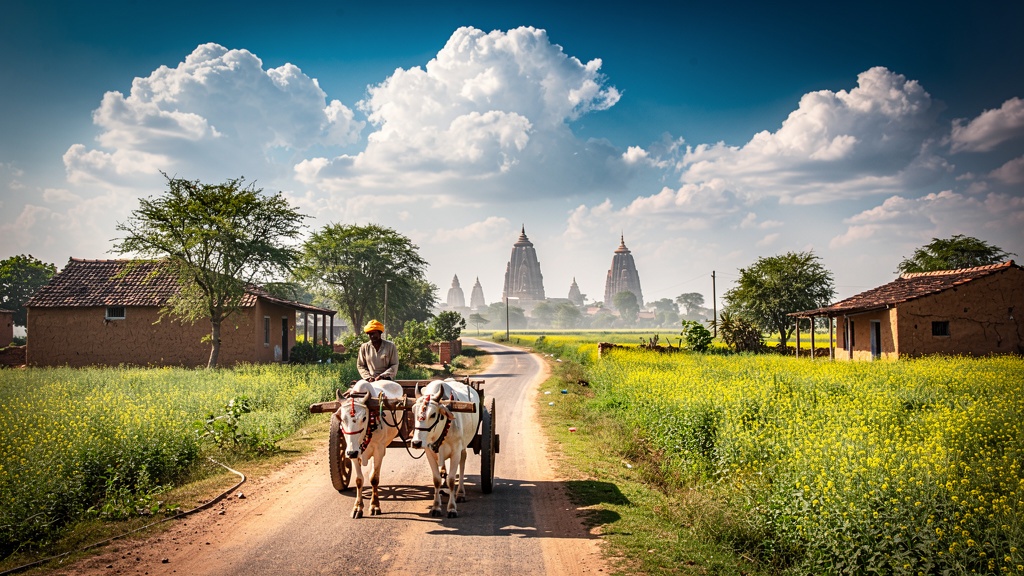
Rural area near Saifpur, Hastinapur region
Sikh Heritage

Gurdwara Bhai Dharam Singh (Saifpur)

The village of Saifpur (also Saifpura), located near Hastinapur, is the birthplace of Bhai Dharam Singh β€” one of the Panj Pyare (the Five Beloved Ones). These were the first five Sikhs initiated into the Khalsa order by Guru Gobind Singh in 1699 at Anandpur Sahib.

The Gurdwara is a modest shrine that commemorates his legacy. It is a site of pilgrimage for Sikhs, especially on Gurpurab and other Sikh festivals. The setting is rural and peaceful, reflecting the simplicity of its surroundings.

πŸ• 30–45 mins πŸ“ Saifpur village, near Hastinapur πŸ†“ Free entry 🧒 Head coverings required
Archaeological artifacts from Hastinapur
Other

Hastinapur Museum

A small but informative museum maintained by the Archaeological Survey of India (ASI) that houses artifacts excavated from the Hastinapur site, including Painted Grey Ware pottery, terracotta figurines, beads, and tools from various periods of habitation.

The museum provides valuable context for understanding the archaeological significance of Hastinapur. Exhibits include informative panels explaining the excavation findings and their relationship to the Mahabharata narrative. A good starting point before exploring the outdoor sites.

πŸ• 30–45 mins πŸ“ Near town centre πŸ’° Nominal fee πŸ“Έ Photography restrictions may apply

Hastinapur is one of the most significant Jain pilgrimage destinations in North India, believed to be the birthplace of three Tirthankaras: Shantinath (16th), Kunthunath (17th), and Aranath (18th). The Jain complex features magnificent white marble temples with intricate architecture.

Jambudweep Jain temple complex
Jain Pilgrimage

Jambudweep

The most unique attraction in Hastinapur β€” a temple complex featuring a large-scale cosmological model of the Jain universe with Mount Meru at its centre. Built in the 1970s, it's a one-of-a-kind sight.

πŸ• 1–1.5 hrsπŸ†“ Free
View full details →
Kailash Parvat temple
Jain Pilgrimage

Kailash Parvat

A magnificent white marble replica of Mount Kailash with intricate carvings. One of the most photographed landmarks in Hastinapur, best visited in morning or late afternoon light.

πŸ• 45 mins–1 hrπŸ†“ Free
View full details →
Ashtapad temple
Jain Pilgrimage

Ashtapad Temple

A stunning temple with multiple spires symbolising Mount Meru. The name refers to the eight steps to enlightenment in Jain tradition. Exquisite marble carvings throughout.

πŸ• 30–45 minsπŸ†“ Free
View full details →
Digambar Jain Bada Mandir
Jain Pilgrimage

Digambar Jain Bada Mandir

The main Digambar Jain temple complex with beautiful marble idols, a dharamshala for pilgrims, and a vibrant atmosphere during Jain festivals.

πŸ• 30–45 minsπŸ†“ Free
View full details →

Hastinapur was the legendary capital of the Kuru kingdom. These sites are directly associated with the characters and events of the Mahabharata epic. Most are modest and atmospheric rather than grand β€” perfect for history enthusiasts.

Pandeshwar Temple
Mahabharata Heritage

Pandeshwar Temple

Ancient Shiva temple believed built by the Pandavas. Features weathered stone architecture, a lingam said installed by Bhima, and a deeply evocative atmosphere.

πŸ• 30–45 minsπŸ†“ Free
View full details →
Karna Temple
Mahabharata Heritage

Karna Temple

Modest temple dedicated to Karna, the tragic hero of the Mahabharata. A meaningful stop for epic enthusiasts seeking a deeper connection to the story.

πŸ• 20–30 minsπŸ†“ Free
View full details →
Vidur Tila
Mahabharata Heritage

Vidur Tila

Archaeological mound identified with Vidura, the wise prime minister. Of genuine archaeological interest with pottery and structural remains.

πŸ• 20–30 minsπŸ†“ Free
View full details →
Draupadi Ghat
Mahabharata Heritage

Draupadi Ghat

Serene river bank site on the ancient Ganges course. Associated with Queen Draupadi. Peaceful setting for reflection, especially beautiful at sunrise.

πŸ• 30 minsπŸ†“ Free
View full details →
Hastinapur Wildlife Sanctuary
Wildlife & Nature

Hastinapur Wildlife Sanctuary

Spanning 2,273 sq km across five districts, this sanctuary protects the Gangetic ecosystem. Home to migratory birds, nilgai, wild boar, jackals, and the endangered Ganges river dolphin.

Key tips: Obtain permission from the Divisional Forest Office before visiting. Hire a local guide for the best experience. Carry your own food, water, and insect repellent. November to March is the ideal season.

πŸ• 2–4 hrs πŸ’° Nominal fee πŸ”­ Best: Nov–Mar
Gurdwara Bhai Dharam Singh area
Sikh Heritage

Gurdwara Bhai Dharam Singh

Located in Saifpur village, this Gurdwara commemorates Bhai Dharam Singh, one of the Panj Pyare β€” the first five initiates of the Khalsa. A modest but important Sikh pilgrimage site.

πŸ• 30–45 minsπŸ†“ Free
Hastinapur Museum
Museum

Hastinapur Museum (ASI)

Small museum with artifacts from the Hastinapur excavations β€” Painted Grey Ware pottery, terracotta figurines, and informative panels about the site's archaeological significance.

πŸ• 30–45 minsπŸ’° Nominal fee

Finding the Sites

Most major attractions in Hastinapur are within a few kilometres of the town centre and can be covered on foot or by auto-rickshaw.

πŸ—ΊοΈ Orientation Tips

  • Jain Temple Complex: Jambudweep, Kailash Parvat, Ashtapad, and Digambar Jain Bada Mandir are all within the town centre, within walking distance of each other.
  • Mahabharata Sites: Pandeshwar Temple, Karna Temple, Vidur Tila, and Draupadi Ghat are on the outskirts β€” about 2–4 km from the town centre. Best accessed by auto-rickshaw or private vehicle.
  • Wildlife Sanctuary: Access is via the main NH-34 road. Requires prior permission and a guide. Located on the fringes of the sanctuary area.
  • Gurdwara: Located in Saifpur village, about 8–10 km from Hastinapur town. Requires a private vehicle or taxi.
  • Local transport: Auto-rickshaws are available in the town centre. Consider hiring one for the day (β‚Ή500–800) to cover all sites comfortably.

Temple Etiquette & Customs

Hastinapur's sites are active places of worship. Please respect local customs.

Footwear

Remove before entering all temples

Dress Code

Cover shoulders & knees; modest attire

Photography

Avoid inside sanctum; ask permission

Silence

Maintain quiet, respectful atmosphere

Food

No non-vegetarian food near Jain complexes

Gurdwara

Head cover required; wash feet before entry